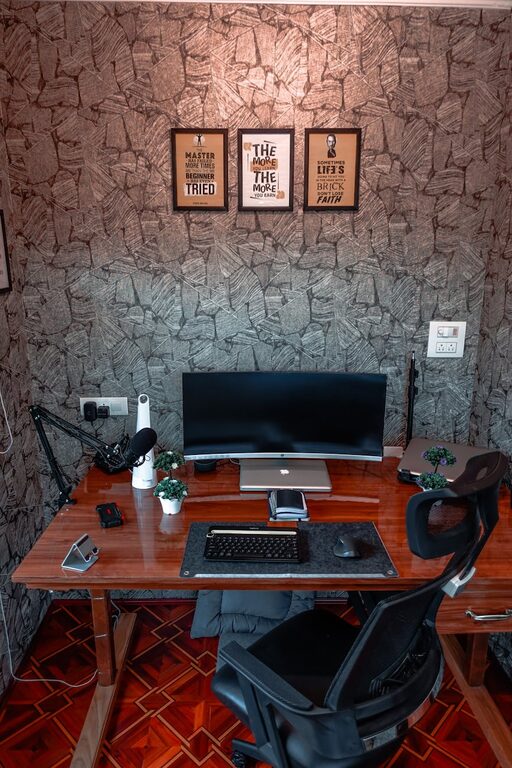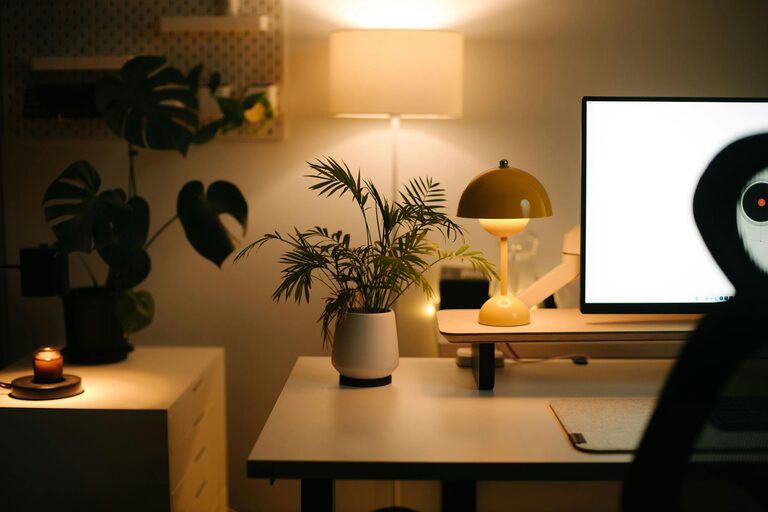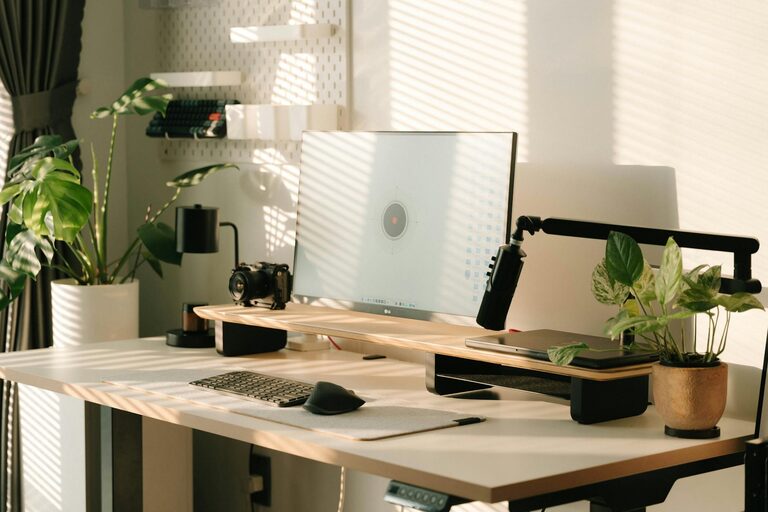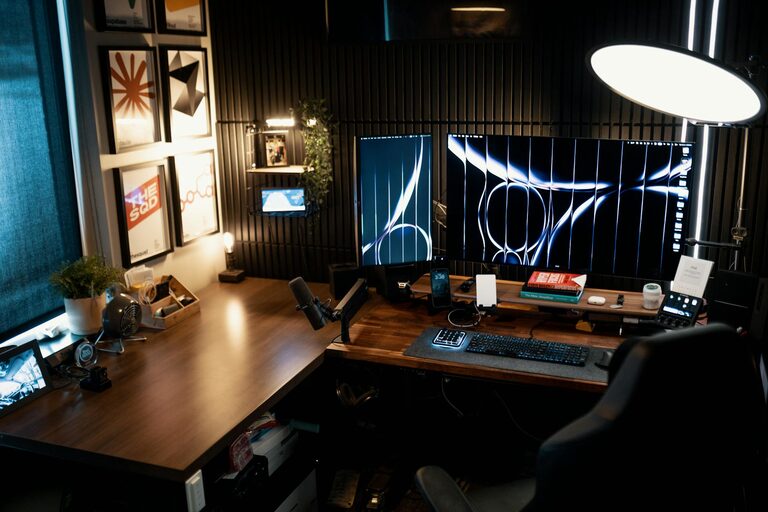
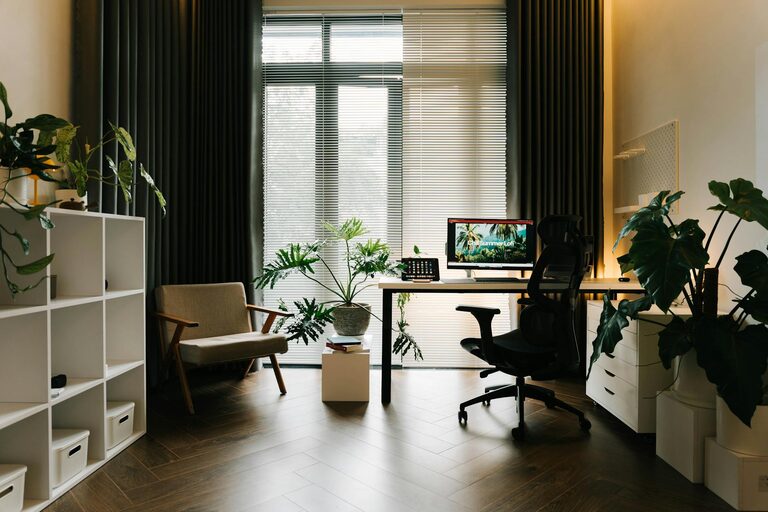
Creating a home office that is both inviting and functional can significantly improve your work experience. Whether you work remotely full-time or need a dedicated area for occasional tasks, designing the right space can boost your productivity, reduce stress, and make working from home more enjoyable. Here are some helpful tips to guide you through creating a home office that meets your needs.
Choose the Right Location
Selecting the location of your home office is the first and one of the most important steps. Consider the following:
– Natural Light: Try to position your desk near a window to take advantage of natural light. Sunlight can boost mood and energy levels throughout the day.
– Low Traffic Areas: Find a quiet area away from high-traffic parts of the home to minimize distractions.
– Space Considerations: Make sure the area is large enough to accommodate necessary furniture and equipment comfortably.
Invest in Comfortable and Ergonomic Furniture
Spending long hours at a desk means your chair and desk should support your body well. Prioritize comfort and ergonomics to reduce strain and promote good posture:
– Ergonomic Chair: Choose a chair with adjustable height, lumbar support, and comfortable cushioning.
– Desk Height: A desk at the right height helps prevent neck and wrist pain. Adjustable desks, including standing desk options, offer added flexibility.
– Footrest and Accessories: If your feet don’t touch the floor comfortably, a footrest can help. Add keyboard trays or monitor stands as needed.
Organize for Efficiency
An organized workspace encourages focus and reduces time wasted searching for items. Use these strategies:
– Desk Organization: Keep frequently used items within reach. Use desk organizers or trays for pens, paper, and other tools.
– Storage Solutions: Shelves, filing cabinets, or drawers keep paperwork and supplies neatly stored.
– Cable Management: Use clips or cable covers to prevent cords from tangling and cluttering the space.
Personalize Your Space Tastefully
Adding personal touches can make your office feel welcoming without compromising professionalism:
– Decor: Choose artwork or photos that inspire you or create a calming atmosphere.
– Plants: Indoor plants add color and can improve air quality and mood.
– Lighting: Use a combination of overhead lighting and task lighting like desk lamps to reduce eye strain.
Maintain Good Lighting
Lighting plays a crucial role in your comfort and productivity:
– Layered Lighting: Combine ambient lighting, task lighting, and accent lighting for a well-lit space.
– Avoid Harsh Glare: Position monitors to minimize glare from windows or lights.
– Adjustable Lamps: A desk lamp with adjustable brightness allows you to customize light levels depending on the time of day.
Use Technology Wisely
Technology is essential but can also be a source of distraction if not managed:
– Reliable Equipment: Invest in a good computer, printer, and other necessary tools.
– Noise Control: Consider noise-cancelling headphones or a white noise machine to block distractions.
– Smart Organization: Use digital calendars, apps, and cloud storage to keep your work coordinated.
Create Boundaries Between Work and Home Life
It can be challenging to separate work time from personal time when your office is at home:
– Defined Workspace: Keep the workspace separate from living or sleeping areas if possible.
– Set a Schedule: Establish clear working hours and take breaks as you would in an office.
– End-of-Day Routine: Develop a habit to “close” your office daily, like shutting down your computer or tidying the desk.
Keep It Clean and Fresh
A tidy and fresh environment enhances comfort and productivity:
– Regular Cleaning: Dust surfaces, vacuum or sweep floors, and clean screens and keyboards regularly.
– Ventilation: Ensure good airflow to keep the space feeling fresh.
– Minimal Clutter: Remove unnecessary items that might distract or take up space.
Final Thoughts
Creating an inviting and functional home office involves balancing aesthetics with practicality. By investing time in thoughtful planning—from choosing the right spot to organizing your supplies—you can design a space that supports both your well-being and productivity. Remember, your home office should work for you, reflecting your needs and preferences while providing a comfortable place to get things done.