
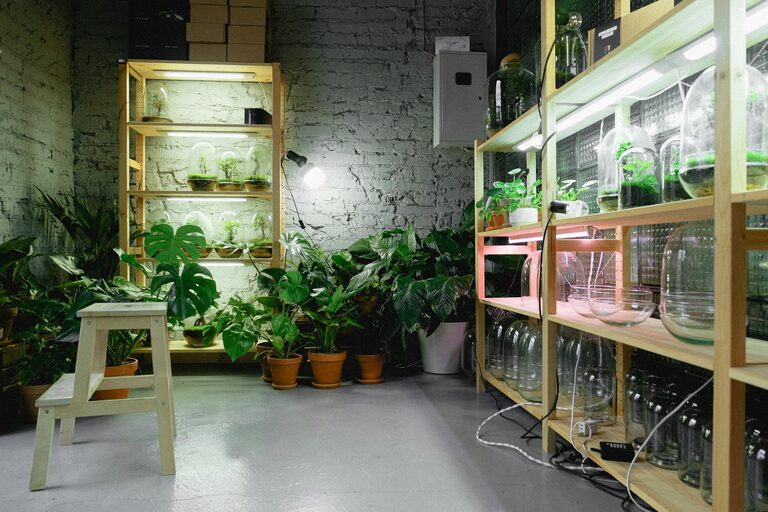
Creating a sustainable home garden that flourishes year-round is a rewarding way to connect with nature, reduce your environmental impact, and enjoy fresh produce or beautiful plants in every season. Whether you’re a beginner or an experienced gardener, focusing on sustainable practices helps your garden thrive while conserving resources. This guide offers helpful tips for maintaining a vibrant, eco-friendly garden through all four seasons.
Understanding Sustainability in Gardening
Sustainability in gardening means growing plants in a way that protects the environment, conserves water, improves soil health, and supports local ecosystems. It involves thoughtful planning, mindful resource use, and natural pest management, creating a balanced and resilient garden space.
Planning Your Year-Round Sustainable Garden
Choose the Right Plants
Selecting plants suited to your climate zone is fundamental. Native plants are especially valuable since they are adapted to the local environment, require less water and fertilizer, and support local wildlife such as bees and birds. Also consider:
– Perennials that return each year
– Seasonal vegetables and herbs
– Companion planting to promote growth and reduce pests
Design for Efficiency
Use garden layout designs that maximize space and sunlight, such as raised beds, vertical gardens, or container planting. Group plants with similar water and sunlight needs together to simplify care and reduce waste.
Harvest Rainwater
Install rain barrels or other water catchment systems to collect rainwater for irrigation. This reduces reliance on tap water and helps conserve a precious resource.
Soil Health and Composting
Enrich Your Soil Naturally
Healthy soil is the foundation of a sustainable garden. Avoid chemical fertilizers and instead focus on:
– Applying compost regularly to improve soil structure and nutrient content
– Using mulch to retain moisture and suppress weeds
– Rotating crops to prevent soil depletion
Start Composting
Composting kitchen scraps, yard waste, and other organic matter reduces waste going to landfill and creates nutrient-rich soil amendments. A small compost bin or pile can fit easily in most gardens.
Year-Round Gardening Techniques
Extend the Growing Season
Using tools such as:
– Cold frames or hoop houses to protect plants from frost
– Row covers to shield crops from wind and insects
– Indoor seed starting to get an early jump on spring planting
These tactics help you grow fresh produce throughout colder months.
Select Season-Appropriate Crops
Choose crops that thrive in specific seasons:
– Cool-season crops (lettuce, spinach, peas) for spring and fall
– Warm-season crops (tomatoes, peppers, beans) for summer
– Hardy root vegetables (carrots, beets) that store well in winter
Practice Succession Planting
By planting in stages, you ensure a continuous harvest and make the most of your garden space.
Water Conservation Tips
Sustainable gardening values water efficiency. To conserve water:
– Water early in the morning or late afternoon to reduce evaporation
– Use drip irrigation or soaker hoses to deliver water directly to roots
– Collect and reuse greywater when possible for irrigation
Natural Pest and Weed Management
Avoid synthetic pesticides and herbicides by trying:
– Hand-pulling weeds regularly
– Encouraging beneficial insects (ladybugs, lacewings) that prey on pests
– Planting pest-repellent herbs like basil or marigolds
– Using organic mulch to inhibit weed growth
Supporting Wildlife and Biodiversity
A sustainable garden also serves as a habitat:
– Provide bird feeders, birdhouses, and freshwater sources
– Include flowering plants that offer nectar for pollinators
– Leave some areas with natural mulch or leaf litter for insects and amphibians
Seasonal Maintenance Tips
Spring
Prepare beds, test soil, and start seeds indoors. Prune perennials and clean up winter debris.
Summer
Maintain watering schedules, harvest regularly, and monitor for pests.
Fall
Plant cover crops to improve soil, collect leaves for mulch, and prune dead growth.
Winter
Protect vulnerable plants, plan for the next growing cycle, and maintain indoor plant health.
Conclusion
Creating a sustainable home garden that prospers year-round is a fulfilling project that benefits both you and the environment. With thoughtful planning, caring practices, and a focus on natural methods, your garden can become a lush, productive, and eco-friendly space no matter the season. Start small, keep learning, and enjoy the beauty and bounty of your sustainable garden all year long.