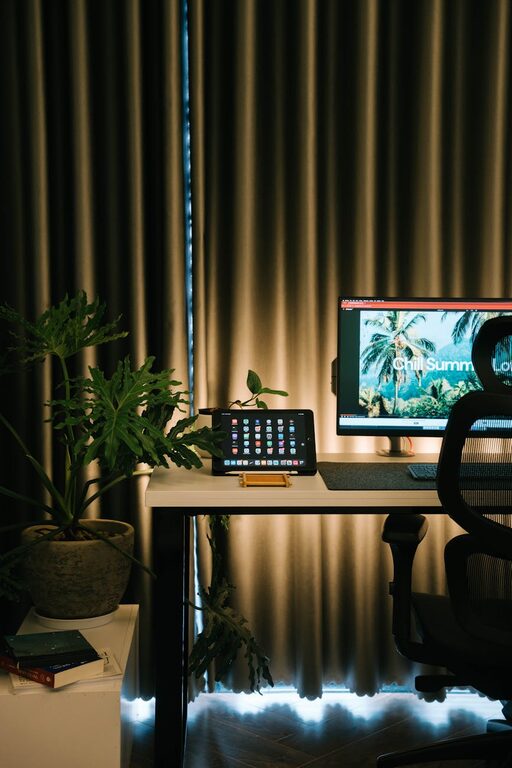
Creating a home office that balances coziness with productivity is essential for anyone working remotely or managing tasks from home. A thoughtfully designed space can improve focus, reduce stress, and make your workday more enjoyable. Whether you have a dedicated room or just a corner in your living area, here are practical tips to help you create a home office that feels welcoming and efficient.
1. Choose the Right Location
Selecting the right spot for your home office is the first step to success. Ideally, pick a quiet area away from distractions like the TV or kitchen. If space is limited, use a screen or room divider to section off your workspace and signal to others when you’re working.
Consider Natural Light
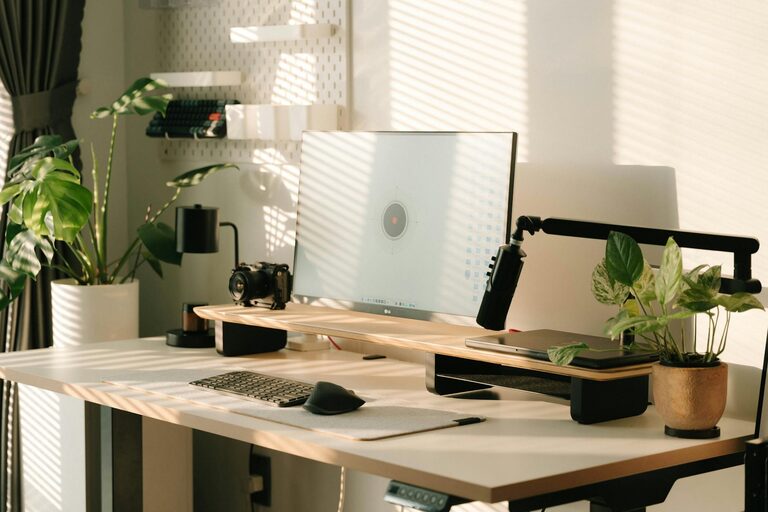
Natural light boosts mood and productivity. Position your desk near a window if possible to enjoy daylight. Avoid placing your computer screen directly in front of or behind a window to reduce glare.
2. Invest in Comfortable Furniture
Comfortable furniture is crucial for long work hours. Invest in a supportive chair that promotes good posture. Adjustable chairs with lumbar support can reduce back strain.
Desk Options
Choose a desk that fits your space and work style. Standing desks or adjustable desks offer flexibility to switch between sitting and standing, which can improve circulation and reduce fatigue.
3. Organize Your Workspace Efficiently
A clutter-free workspace helps maintain focus and reduces stress. Use organizers, shelves, or drawers to keep supplies like pens, notebooks, and chargers in order.
Cable Management
Messy cables can be distracting. Use cable clips, sleeves, or under-desk trays to keep cords organized and out of sight.
4. Personalize Your Space
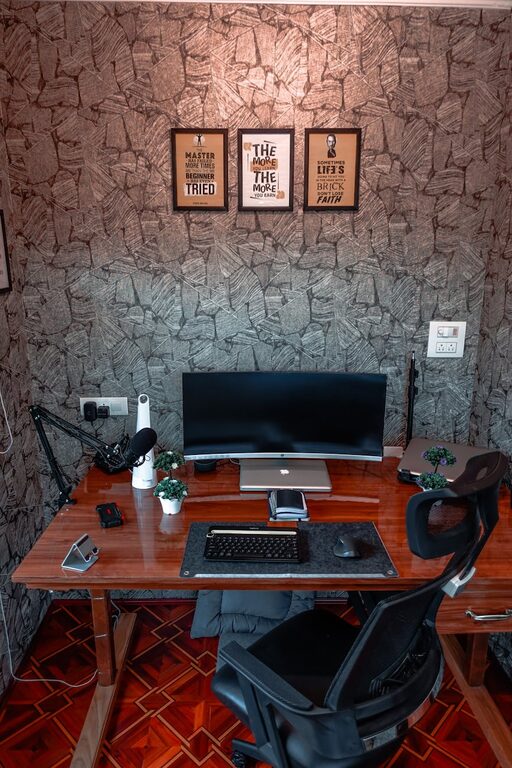
Adding personal touches can make your office feel inviting. Photos, plants, or artwork create a pleasant ambiance without overwhelming the work area.
The Benefits of Plants
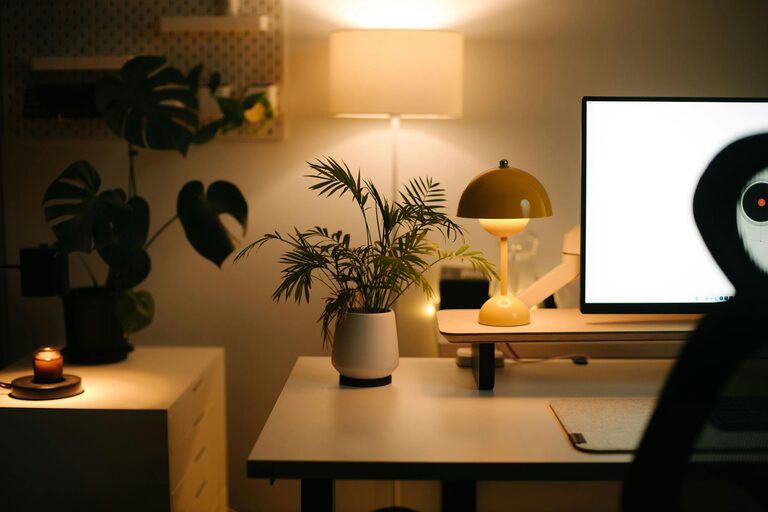
Houseplants not only add color but also improve air quality and boost mood. Easy-care plants such as succulents or pothos are great options for busy professionals.
5. Optimize Lighting
Good lighting reduces eye strain and helps maintain focus. Combine natural light with layered artificial lighting.
Types of Lighting
– Task lighting: Adjustable desk lamps for focused work
– Ambient lighting: Overhead or floor lamps for general illumination
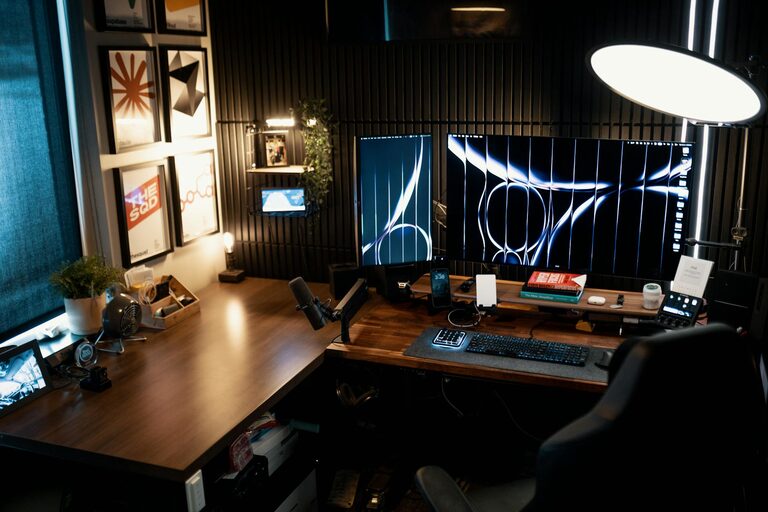
– Accent lighting: Decorative lights to enhance the atmosphere
6. Minimize Distractions
Identify common distractions in your home and take steps to reduce them. Noise-cancelling headphones can help with background noise, and setting clear boundaries with family or roommates improves concentration.
7. Incorporate Storage Solutions
Efficient storage keeps your office tidy and everything within reach. Options include filing cabinets, floating shelves, or storage bins.
Digital Organization
Don’t forget your computer desktop. Regularly organize digital files into clearly labeled folders to avoid clutter.
8. Keep Essentials Within Reach
Arrange your most-used items so they’re easy to grab. This reduces interruptions and maintains your workflow.
9. Maintain a Comfortable Temperature
A room that’s too hot or cold can distract you. Use a fan, heater, or adjust thermostat settings to create a comfortable environment.
10. Establish a Routine
Designating your space as a dedicated work zone helps your brain switch into productivity mode. Keep this area for working only, and develop daily routines to start and end your workday.
—
Creating a cozy and productive home office doesn’t require a large budget or a complete renovation. By focusing on comfort, organization, and personalization, you can build a workspace that supports your best work and well-being. Start small, experiment with what works for you, and enjoy the benefits of a home office that feels just right.