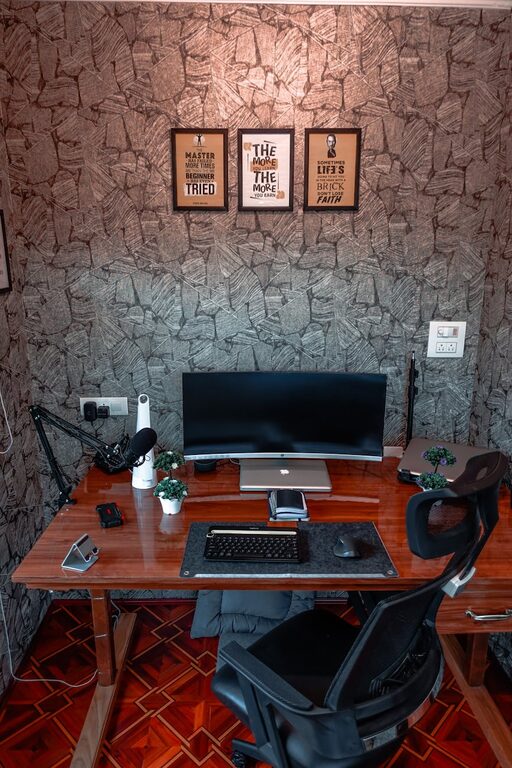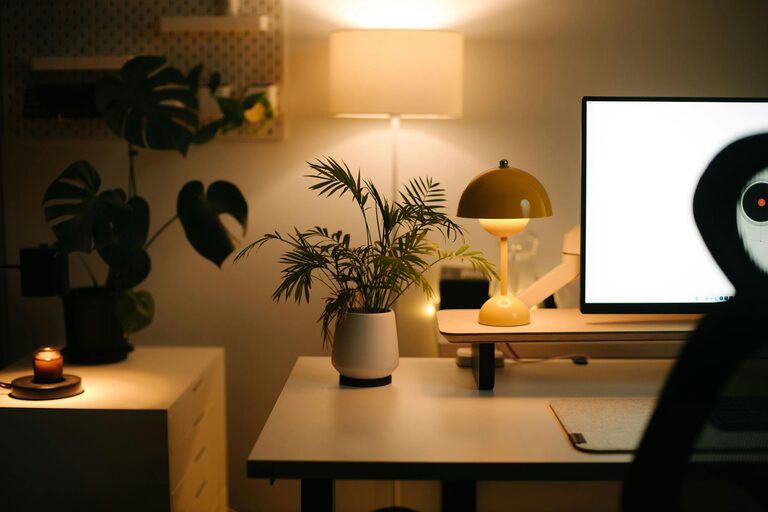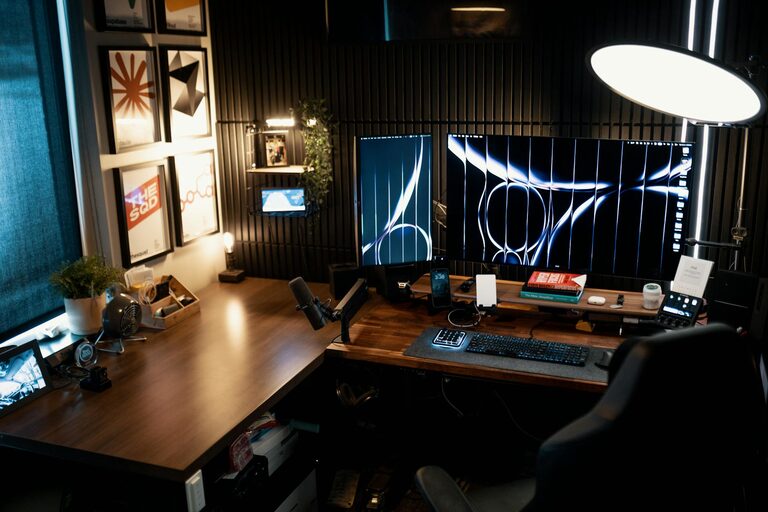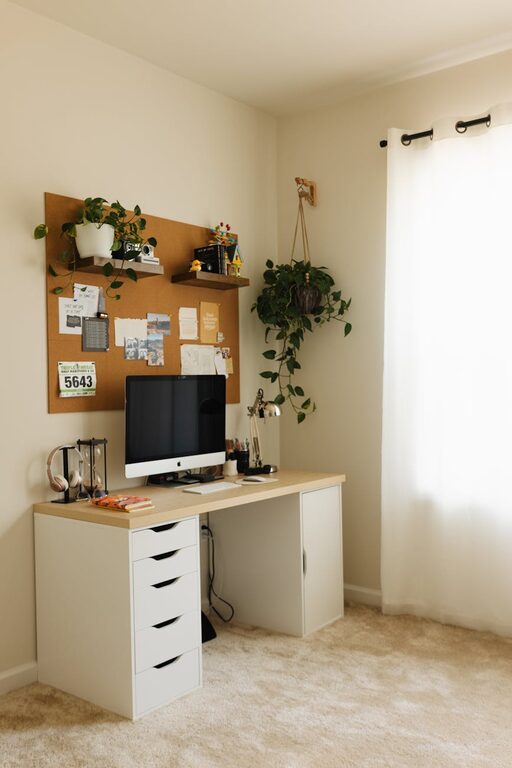
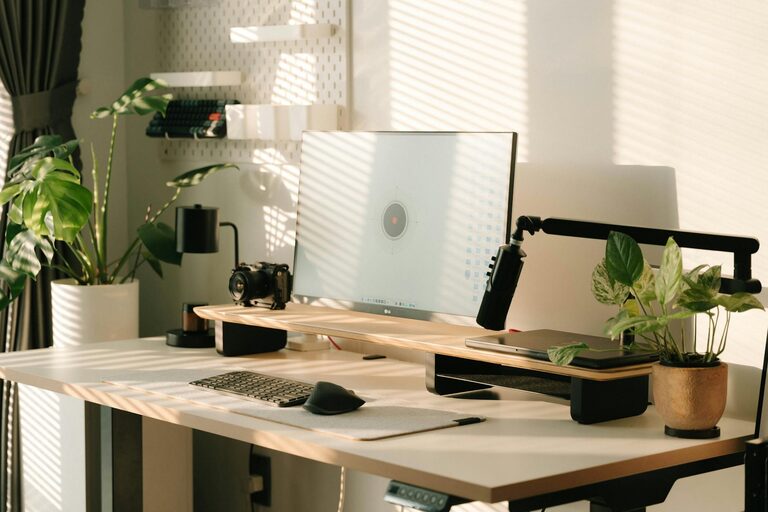
Creating a comfortable and productive home office space is essential for anyone working remotely or spending significant time at home. A well-designed workspace can enhance focus, reduce stress, and improve overall work performance. In this post, we’ll explore practical tips to help you set up an environment that feels both welcoming and efficient.
Choose the Right Location
The first step in creating a productive home office is selecting the right spot. Consider these factors:
– Natural light: Choose a space with plenty of natural light to improve mood and reduce eye strain.
– Quiet environment: Opt for a location away from household noise and distractions.
– Space availability: Ensure there is enough room for your desk, chair, and any necessary equipment.
– Privacy: If possible, use a separate room or a designated corner where you won’t be interrupted.
Invest in Ergonomic Furniture
Comfort is key to staying productive. Ergonomic furniture supports your body and reduces the risk of discomfort or injury.
– Chair: Select an adjustable chair with good lumbar support and cushioning.
– Desk: Use a desk at the right height to keep your arms and wrists comfortable.
– Keyboard and mouse: Ergonomic options minimize strain during long typing sessions.
– Monitor placement: Position your monitor at eye level to avoid neck and back pain.
Organize Your Workspace Effectively
An organized space helps your mind stay clear and focused. Here are some organization tips:
– Declutter: Keep only essential items on your desk to reduce distractions.
– Storage solutions: Use shelves, drawers, or bins to store supplies neatly.
– Cable management: Use clips or ties to prevent cords from tangling.
– Daily tidying: Spend a few minutes each day clearing your workspace.
Optimize Lighting
Good lighting improves visibility and reduces eye strain. Consider these options:
– Natural lighting: Maximize daylight by positioning your desk near windows.
– Task lighting: Use adjustable desk lamps to provide focused light for reading or detailed work.
– Ambient lighting: Combine with overhead lights or floor lamps to reduce contrast and soften shadows.
Personalize Your Space
Adding personal touches can make your home office feel inviting and motivate you to work.
– Decor: Hang inspiring artwork or photos you enjoy.
– Plants: Introduce greenery to lift your mood and improve air quality.
– Colors: Choose calming colors that make you feel relaxed yet alert.
– Comfort items: Include cushions, blankets, or a favorite mug.
Minimize Distractions
Staying focused is easier when distractions are limited.
– Turn off notifications: Silence non-work-related alerts during work hours.
– Use noise-canceling headphones: Block out background noise when needed.
– Set boundaries: Communicate your work schedule to family or housemates.
Incorporate Break and Movement Spaces
Regular breaks and movement boost productivity and wellbeing.
– Stretching area: Dedicate a small space for stretching or quick exercises.
– Break zone: If possible, create a separate spot for breaks away from your desk.
– Timer: Use reminders to take short breaks every hour.
Maintain Good Air Quality and Temperature
A comfortable environment includes fresh air and suitable temperature.
– Ventilation: Open windows periodically to let in fresh air.
– Air purifiers: Consider using one if your home tends to be dusty or stuffy.
– Temperature control: Use fans, heaters, or air conditioning to keep a consistent, comfortable temperature.
Use Technology to Your Advantage
Technology can improve efficiency and organization.
– Productivity apps: Try task managers, calendars, or focus apps.
– Ergonomic accessories: Consider adjustable monitor stands or standing desks.
– High-speed internet: Ensure your connection is fast and stable for video calls or research.
Establish a Routine
Finally, creating and sticking to a routine helps your mind separate work time from personal time.
– Regular hours: Set consistent start and end times.
– Morning ritual: Begin your day with a routine that prepares you mentally.
– Breaks: Schedule short breaks and lunch away from your desk.
– End-of-day closing: Develop a habit to tidy your desk and shut down devices.
—
By thoughtfully designing your home office with comfort and productivity in mind, you can create a space that supports your work goals and wellbeing. Whether you have a dedicated room or a small corner, applying these tips can make a positive difference in your daily routine.