
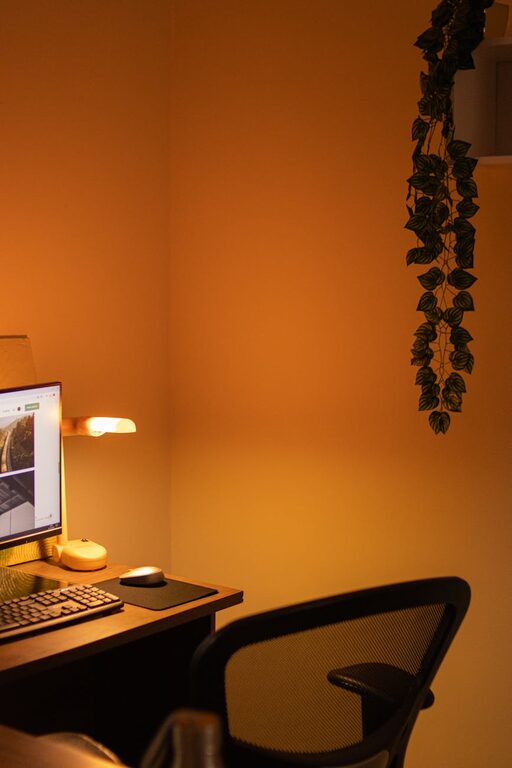
Creating a cozy and inviting home workspace can significantly enhance your productivity and overall well-being. Whether you work remotely full time, occasionally take work home, or just need a dedicated spot for personal projects, designing a space that feels comfortable and welcoming is key. In this post, we’ll explore practical tips that help you transform any corner of your home into a functional and pleasant work area.
Why a Cozy Workspace Matters
Your workspace influences how you feel during work hours. A cluttered or uninspiring space can lead to distractions and stress, while a cozy and welcoming environment promotes focus and creativity. When your workspace feels inviting, you’re more likely to enjoy your work and maintain a healthy routine.
Choosing the Right Location
Consider Natural Light
Start by selecting a spot with plenty of natural light. Sunlight boosts mood and energy, making it easier to stay alert throughout the day. Place your desk near a window if possible, but position your screen to avoid glare.
Minimize Noise and Distractions
Pick a quieter area in your home if you can, away from the main traffic flow. Using a room divider or even noise-canceling headphones can help reduce distractions and create a dedicated zone for work.
Furnishing Your Workspace
Invest in a Comfortable Chair
Comfort is crucial, especially if you spend long hours seated. Look for a chair that supports your posture with adjustable height, lumbar support, and sufficient padding.
Choose a Functional Desk
Your desk should fit your needs—whether it’s a compact table or a larger surface for multiple monitors and supplies. A tidy desk with enough storage options can keep your space organized and clutter-free.
Personalizing for Comfort and Inspiration
Add Soft Textiles
Incorporate items like a cozy throw blanket or cushioned seat pads to soften the space and make it feel more inviting. Rugs can also add warmth and define your workspace area.
Bring in Greenery
Plants brighten up the room and improve air quality. Low-maintenance plants like succulents or pothos are ideal for busy workdays and minimal upkeep.
Use Personal Touches
Decorate with artwork, photos, or inspirational quotes that motivate you. Personal elements make your workspace feel unique and welcoming without being distracting.
Enhancing Lighting for All-Day Comfort
While natural light is ideal, additional lighting may be necessary.
Layer Your Lighting
Combine overhead lights with a quality desk lamp to reduce eye strain. Adjustable and warm-toned lighting often creates a more relaxing atmosphere.
Avoid Harsh Fluorescents
If possible, use bulbs with a soft or daylight spectrum to mimic natural light, which helps maintain focus and reduces fatigue.
Organizing to Reduce Clutter
Use Storage Solutions
Keep your supplies organized with shelves, drawers, or desk organizers. Designate spots for frequently used items to save time and avoid mess.
Practice Daily Tidying
Spending just a few minutes each day tidying your workspace can maintain a sense of order and prevent stress from clutter buildup.
Creating Boundaries Between Work and Home Life
Especially when working from home, it’s important to separate your workspace from your personal life.
Set Work Hours
Establish a clear schedule and stick to it. When work hours end, close your laptop and step away from your workspace to mentally disconnect.
Make Workspace “Off-Limits” for Other Activities
Try not to use your office space for leisure or household activities. Keeping this boundary helps your brain associate the area with work focus.
Maintaining Comfort Throughout the Year
Adjust for Season Changes
Consider a small fan or heater to regulate temperature and keep your workspace comfortable year-round.
Refresh Your Space Regularly
Changing decor elements or rearranging furniture occasionally can keep your workspace feeling fresh and inspiring.
Final Thoughts
Designing a home workspace that is cozy, organized, and personalized can transform your workday experience. By combining comfort, functionality, and aesthetics, you create an environment that supports productivity and well-being. Remember, your workspace should reflect your personal style and needs—start small, adjust as you go, and enjoy building a space where work feels just a little bit better every day.