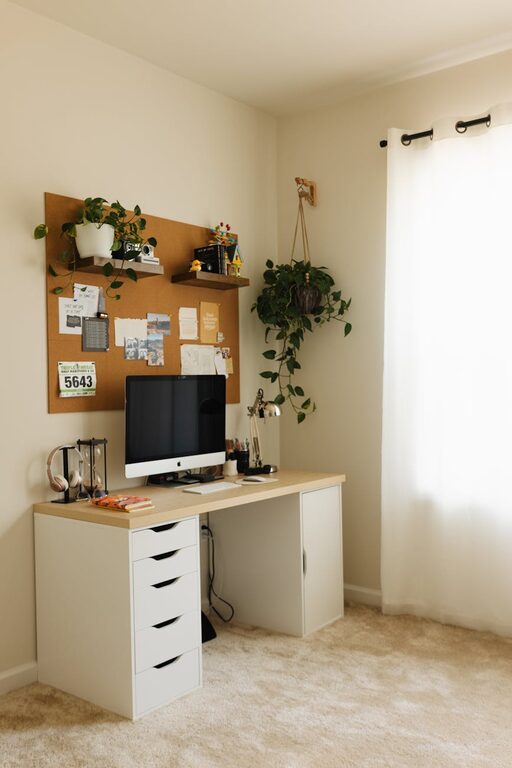
Working from home has become a part of many people’s daily lives, making the home office a vital space. Creating a cozy and productive home office can boost your focus, improve your mood, and help separate work time from relaxation. In this guide, we’ll explore practical tips to design an inviting workspace that supports your productivity and comfort.
Choose the Right Location
Selecting the perfect spot for your home office is the first step. Ideally, find a quiet area away from distractions like the TV or household traffic. A corner of a bedroom, a spare room, or even a nook in a living area can work well if arranged thoughtfully.
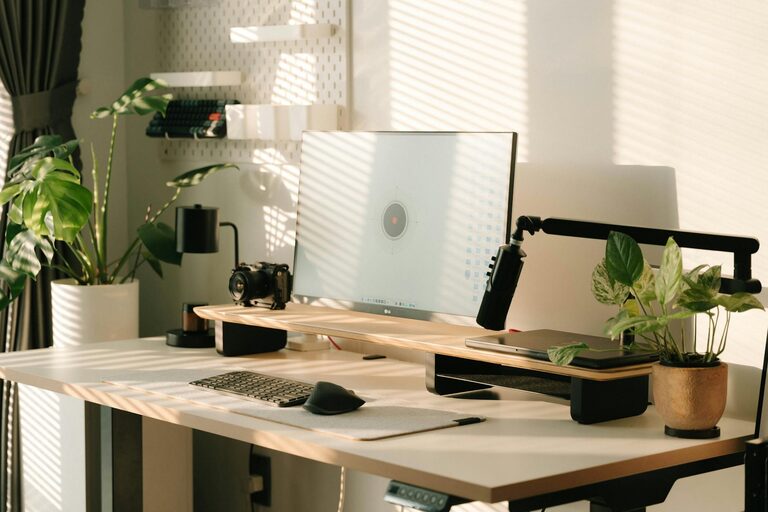
– Natural Light: Position your desk near a window to benefit from natural light, which can reduce eye strain and improve your mood.
– Accessibility: Ensure your office is easy to reach but still offers separation from leisure spaces to maintain a work-life balance.
Invest in Functional Furniture
Comfort and ergonomics matter when you spend hours at your desk. Choose furniture that supports both your physical health and organizational needs.
– Ergonomic Chair: A good chair with lumbar support helps prevent back pain.
– Appropriate Desk: Pick a desk that fits your equipment and work style, whether it’s a traditional desk or a standing desk option.
– Storage Solutions: Keep clutter at bay with shelves, drawers, or filing cabinets to organize your documents and supplies.
Personalize Your Space with Comfort in Mind
A cozy office feels inviting and motivates you to work. Add touches that make your space pleasant without causing distractions.
– Soft Textiles: Include cushions, a throw blanket, or a small rug to soften the room.
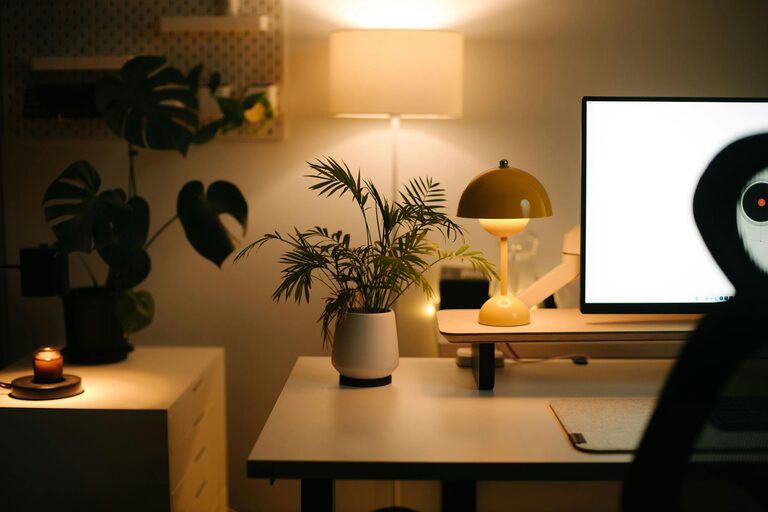
– Plants: Greenery not only freshens the air but can also reduce stress and enhance your focus.
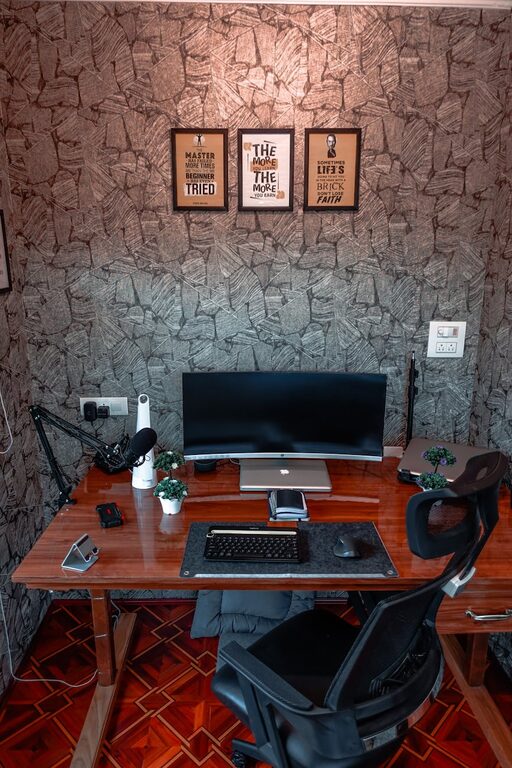
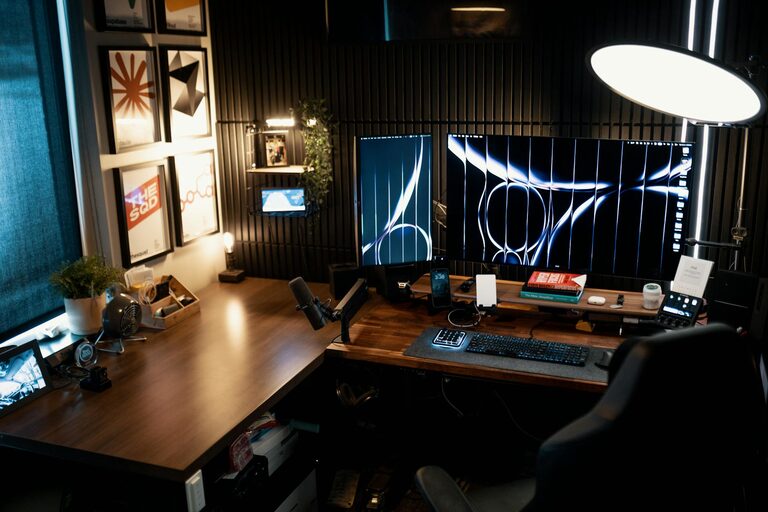
– Artwork and Decor: Hang artwork or photos that inspire you, but keep it minimal to avoid visual clutter.
Organize Your Workspace Effectively
A tidy space promotes clear thinking. Establish a system for organizing both physical and digital files.
– Desk Organization: Use trays, pen holders, and cable organizers to keep your desk neat.
– Digital Declutter: Regularly clean your computer desktop and folders to streamline your workflow.
– Daily Cleanup Routine: Spend five minutes at the end of each day tidying your desk to start fresh tomorrow.
Control Lighting and Reduce Eye Strain
Proper lighting prevents fatigue and maintains alertness during work hours.
– Layer Your Lighting: Combine ambient light from ceiling fixtures, task lighting from a desk lamp, and natural daylight.
– Adjust Screen Brightness: Match your computer screen brightness to the room’s lighting to protect your eyes.
– Use Anti-Glare Screens: If your workstation faces a window, an anti-glare screen can reduce reflections.
Minimize Noise and Distractions
Sounds from outside or other household activities can interrupt concentration.
– Soundproofing: Use rugs, curtains, or acoustic panels to absorb noise.
– Headphones: Noise-cancelling headphones can block out distractions, especially in shared spaces.
– Set Boundaries: Communicate your working hours to family or housemates to minimize interruptions.
Incorporate Technology Thoughtfully
Technology tools can aid productivity but may also cause clutter.
– Essential Devices: Equip your office with reliable internet, a good computer, and necessary peripherals like a printer or scanner.
– Charging Stations: Organize chargers and devices in one place to avoid tangled cords.
– Cable Management: Use clips or tubes to keep cables out of sight.
Create a Routine-Friendly Environment
Your office space should support a healthy working routine.
– Break Area: If space allows, set up a small corner with a comfortable chair for breaks.
– Hydration & Snacks: Keep a water bottle and healthy snacks nearby to stay energized.
– Temperature Control: Ensure your workspace is well-ventilated and at a comfortable temperature.
Final Thoughts
Designing a home office that balances coziness and productivity doesn’t require a large budget or complicated renovations. With thoughtful furniture choices, organized layouts, personal touches, and attention to lighting and noise, you can create a space that supports your work and wellbeing. Take time to personalize and adjust your office until it feels just right for you. This investment in your environment will pay off in increased comfort and focus for all your workdays ahead.