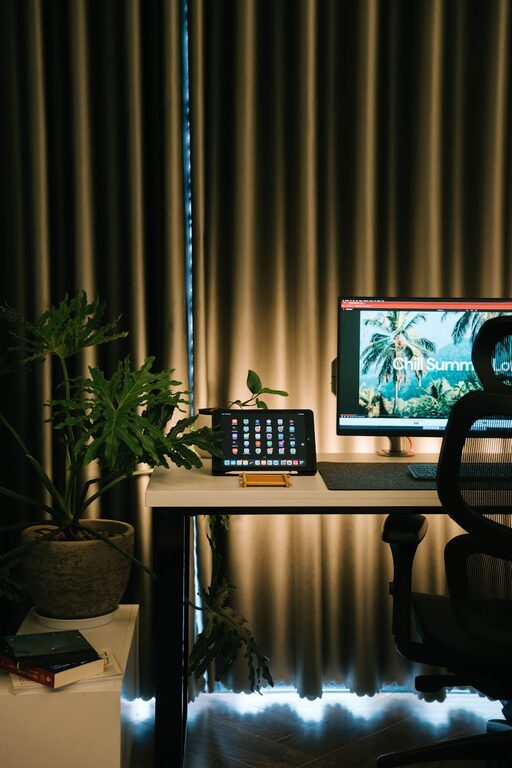
Creating a relaxing home workspace is essential for boosting both productivity and comfort, especially as many people work remotely or spend more time at home. A well-designed workspace can reduce stress, increase focus, and make daily tasks feel more enjoyable. Whether you have a dedicated room or a small corner, these tips will help you design a space that supports your work and wellbeing.
Choose the Right Location
Consider Natural Light
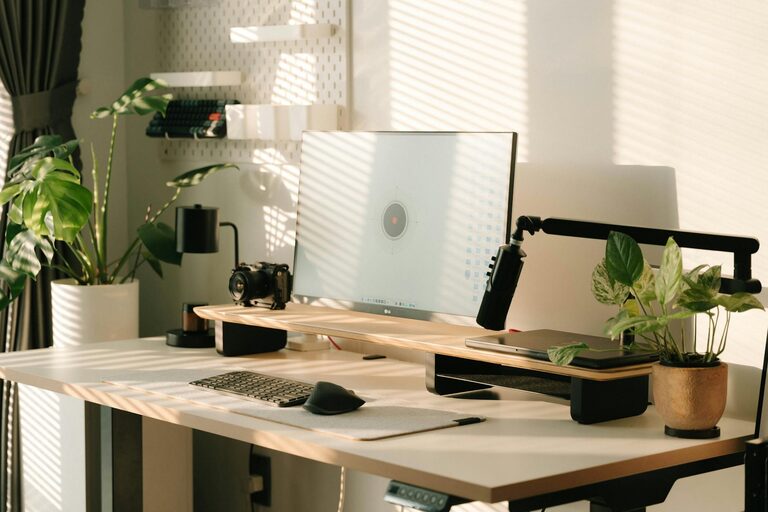
Natural light has a positive impact on mood and energy levels. Try setting up your workspace near a window to benefit from daylight. If natural light isn’t available, use daylight-simulating bulbs to help maintain alertness.
Minimize Distractions
Pick a spot that is away from high traffic areas in your home. A quiet corner or a room with a door can help minimize interruptions and create boundaries between your work and personal life.
Invest in Comfortable Furniture
Ergonomic Chair and Desk
An ergonomic chair supports good posture and reduces the risk of back and neck pain. The desk should be at a comfortable height that allows your arms to rest naturally while typing. Investing in adjustable furniture can adapt to your needs throughout the day.
Add Supportive Accessories
Consider accessories like a footrest, wrist supports, or a monitor stand to improve comfort and reduce strain. These small additions can make a big difference over time.
Organize for Efficiency and Calm
Declutter Regularly
A tidy space encourages focus and reduces anxiety. Keep only the essentials on your desk and use storage solutions like drawers, shelves, or boxes to organize supplies.
Use Cable Management
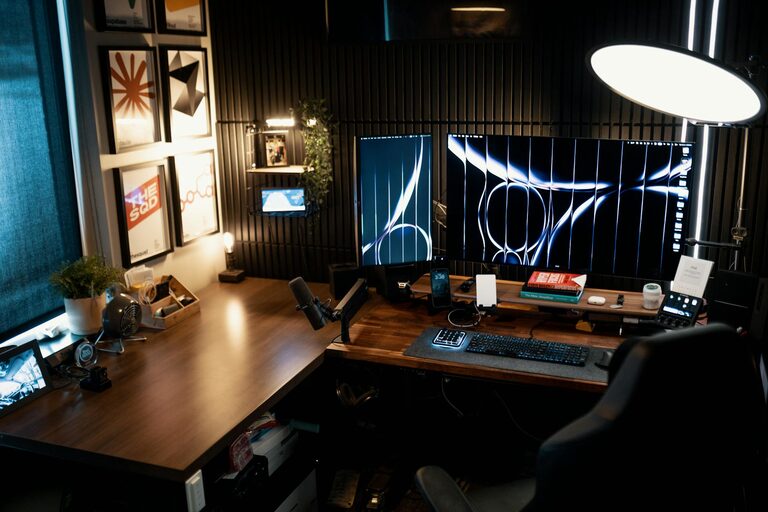
Tame messy cords with cable clips or sleeves. A clean setup not only looks better but prevents accidental disconnections or damage.
Implement a Filing System
Having an easy-to-maintain system for documents, whether digital or physical, helps you find important papers quickly without stress.
Bring in Elements of Nature
Add Plants
Indoor plants improve air quality and bring a sense of calm. Choose low-maintenance varieties like succulents or snake plants. Even a small pot on your desk can brighten your space.
Use Natural Materials and Colors
Incorporate wood, stone, or fabrics with natural textures to create a warm atmosphere. Soft, earthy colors tend to be more relaxing than bright, harsh tones.
Personalize Your Space Mindfully
Display Inspiring Items
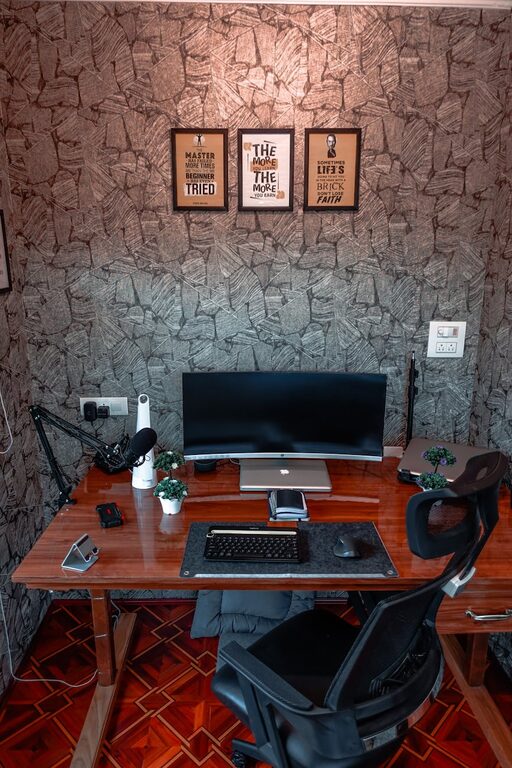
Photos, art, or motivational quotes can make your workspace inviting and boost your mood. Choose items that inspire and calm you without cluttering the area.
Control Noise Levels
If you prefer sounds while working, consider playing gentle background music or white noise. Noise-canceling headphones are also great to block distractions.
Maintain Proper Lighting
Use Layered Lighting
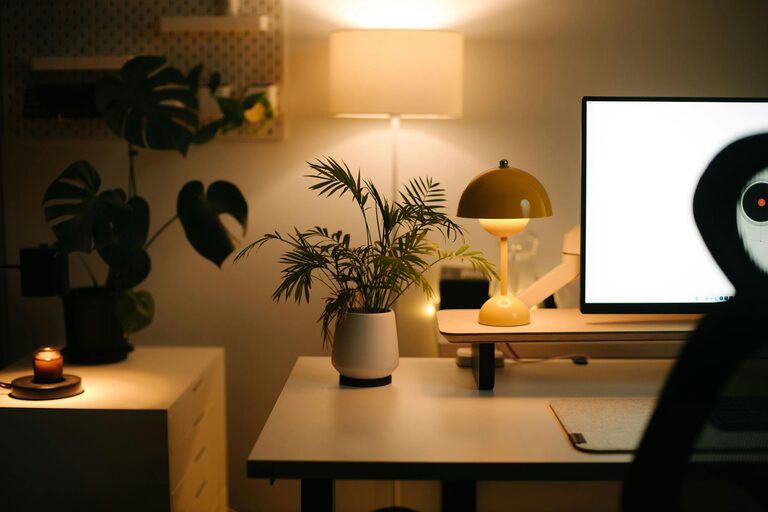
Combine ambient, task, and accent lighting to avoid eye strain. A desk lamp with adjustable brightness can help you focus on detailed work, especially during evening hours.
Avoid Glare
Position your screen and light sources to prevent glare, which can cause headaches and fatigue.
Set Boundaries for Work and Breaks
Define Work Hours
Establish a routine and physical cues that signal the start and end of your workday. This helps you stay productive during work hours and relax afterward.
Create a Relaxation Zone
If possible, have a separate area for breaks. Stepping away from your desk to stretch or sip a drink refreshes your mind and reduces burnout.
Incorporate Technology Wisely
Use Productivity Tools
Apps for task management, time tracking, and focus can support efficient work habits. Choose tools that suit your style and avoid overloading yourself with too many.
Keep Devices Updated
Regularly update your computer, software, and security to prevent interruptions and maintain smooth workflow.
—
By thoughtfully designing your home workspace, you create an environment where productivity and comfort go hand in hand. These tips are easy to apply and can transform your work-from-home experience into one that feels balanced, efficient, and enjoyable. Remember, a relaxing workspace is not just about aesthetics—it’s about creating a supportive space for your best work.